"Is this my intuition warning me, or just my anxiety?" It's one of the most common questions for anyone developing their psychic abilitiespsychic abilities
Learning to distinguish between the two is essential for making good decisions, developing authentic psychic ability, and maintaining mental wellbeing. It's also a real area of psychological research — the American Psychological Association has published on when gut feelings actually help decision-making, and when they don't.
🔑 The Core Difference
- Intuition: Arises from subconscious wisdom, pattern recognition, or deeper knowing. Feels like information.
- Anxiety: Arises from fear, past trauma, or perceived threat. Feels like fear.
- The confusion: Both create body sensations and urge action, but the quality is different.
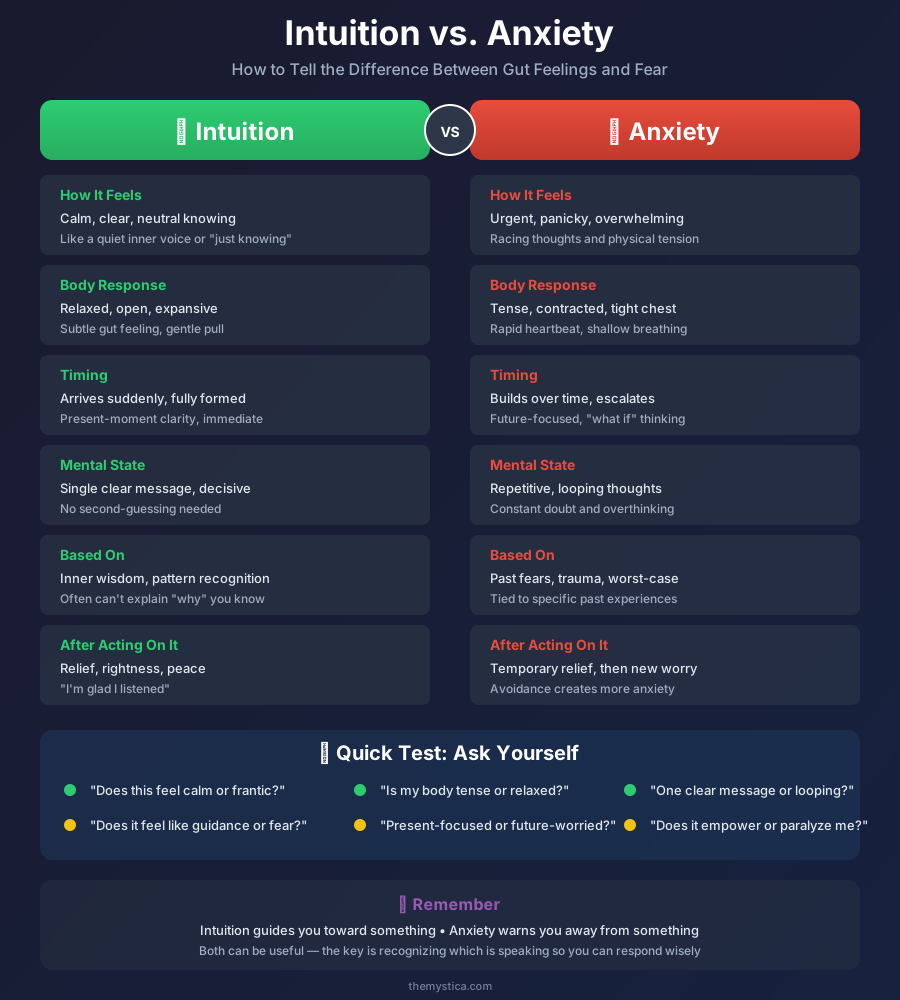
A practical check before making a decision
Write down the decision, the evidence you have, and the evidence you would need to change your mind. Then separate bodily sensations from observable facts. A feeling of urgency is not proof that something bad will happen, and a calm feeling is not proof that an outcome is safe.
For low-stakes practice, use the exercises in how to develop intuition. If anxiety is persistent or interfering with daily life, consider speaking with a qualified healthcare professional rather than relying on divination.
Side-by-Side Comparison
✨ Intuition Feels Like...
- Calm, quiet knowing
- Neutral or peaceful tone
- Clear and direct message
- Comes once, stays consistent
- Body feels open, relaxed
- Not attached to outcome
- Often arrives unexpectedly
- Makes sense in hindsight
- Empowering, not paralyzing
- Present-focused
😰 Anxiety Feels Like...
- Urgent, loud, insistent
- Fearful, worried tone
- Vague or catastrophic
- Loops and escalates
- Body feels tight, tense
- Desperately attached to outcome
- Triggered by specific fears
- Often proves unfounded
- Paralyzing, overwhelming
- Future-focused (what-ifs)
Key Distinguishing Factors
| Factor | Intuition | Anxiety |
|---|---|---|
| Emotional charge | Low—feels neutral or slightly positive | High—feels scary or urgent |
| Body location | Often gut/heart, feels expansive | Often chest/throat, feels constrictive |
| Repetition | States once, doesn't repeat | Loops obsessively, hard to stop |
| Clarity | Clear, specific, actionable | Vague worst-case scenarios |
| Time focus | Present moment or neutral future | Catastrophizing about future |
| After acting | Sense of rightness, even if hard | Relief followed by new worries |
| Track record | Often proves accurate | Feared outcomes rarely happen |
The Body Test
🧘 How to Check In With Your Body
Your body often knows the difference before your mind does:
- Pause: When you feel a strong urge or warning, stop before reacting.
- Breathe: Take three slow, deep breaths to calm your nervous system.
- Scan: Notice where you feel the sensation in your body.
- Quality check: Does it feel expansive or constrictive? Open or tight?
- Emotional tone: Is there fear/panic, or calm knowing?
- Wait: Intuition stays steady; anxiety usually shifts or escalates.
Intuition often feels like: A quiet nudge in the gut, a sense of "just knowing," or a calm pull in one direction.
Anxiety often feels like: Chest tightness, racing heart, shallow breathing, and spinning thoughts.
Common Confusion Points
When Intuition LOOKS Like Anxiety
- A genuine warning about danger can create fear—but it's response to the intuition, not the intuition itself
- Intuition about something you don't want to hear (like ending a relationship) can feel uncomfortable
- Strong intuition can feel urgent when timing matters
When Anxiety LOOKS Like Intuition
- Anxiety can feel very "real" and convincing
- Past trauma can create hypervigilance that feels like "sensing danger"
- "I just have a bad feeling" might be pattern anxiety, not intuition
- Anxiety can be right occasionally (stopped clock syndrome)
💡 The Hindsight Test
Track your "gut feelings" over time:
- Write down strong intuitive hits or anxious worries
- Note what actually happened
- Look for patterns in what proves accurate vs. unfounded
- Notice how true intuition vs. anxiety felt differently
Over time, you'll learn your personal signals for each.
Questions to Ask Yourself
When you're not sure if it's intuition or anxiety, ask:
- "Does this feel like information or like fear?"
- "Is this thought helping me or just scaring me?"
- "Have I worried about this specific thing before and it didn't happen?"
- "Is this one clear message or a spiral of what-ifs?"
- "If I imagine following this guidance, do I feel peace or more anxiety?"
- "Is this coming from my gut/heart or from my racing mind?"
- "Would I tell a friend to trust this feeling, or would I say they're anxious?"
How Anxiety Blocks Intuition
Chronic anxiety can significantly impair intuitive ability:
- Signal noise: Anxiety creates so much mental chatter that quiet intuitive signals get drowned out
- Distrust: After anxiety proves wrong repeatedly, you may stop trusting ALL gut feelings
- Hypervigilance: Scanning for danger constantly floods the system with false positives
- Physical tension: Chronic muscle tension blocks the body-based sensing intuition uses
Managing anxiety through therapy, meditation, or other practices helps clear the channel for authentic intuition.
⚠️ Important Notes
- Anxiety disorders are real: If you experience chronic, debilitating anxiety, please seek professional support—this isn't a spiritual failing
- Trauma responses aren't intuition: If past trauma created hypervigilance, healing that is important work
- Both can coexist: You can have anxiety AND intuition—the goal is distinguishing them
- Don't gaslight yourself: If you always dismiss feelings as "just anxiety," you may ignore genuine intuition
Strengthening Intuition, Calming Anxiety
- Meditation: Quiets mental noise so intuition can be heard
- Journaling: Tracks patterns in your feelings and their accuracy
- Body practices: Yoga, breathwork, and grounding connect you to body wisdom
- Nature time: Calms the nervous system and heightens subtle perception
- Therapy: Addresses root causes of anxiety that cloud intuition
- Practice: Make small predictions and track results to calibrate your sense
Frequently Asked Questions
How can I tell if it's intuition or anxiety?
Intuition typically feels calm, clear, and neutral—like quiet knowing. Anxiety feels urgent, fearful, and repetitive—with physical tension and worst-case scenarios. Intuition arrives once and stays consistent; anxiety loops and escalates.
Can my intuition make me anxious?
Yes—if intuition tells you something uncomfortable (like danger or needed change), you may feel anxious in RESPONSE to the intuition. The key is distinguishing the initial signal (calm knowing) from your emotional reaction to it.
What if my anxiety is sometimes right?
Even anxious people have intuition, and occasionally anxious predictions come true. The question is the ratio: if 95% of your worries don't manifest, those aren't intuition. Track your accuracy over time.
Can I have both intuition and an anxiety disorder?
Absolutely. Many highly intuitive people also experience anxiety. The work is learning to tell them apart, managing the anxiety, and not letting it drown out genuine intuitive signals.